
Zefeng Wood Industry: Our main products include melamine-faced medium-density fiberboard, melamine-faced particleboard, melamine plywood, plywood, construction laminated board, WPC wallboard, PVC edging strips, and stone-plastic UV board
- Tel:+86-15610632233
- Email:ceo@wbphuanghe.net

10
2025
-
10
How does rubberwood achieve its "gorgeous transformation," from auxiliary materials to the core? — An exclusive interview with Meng Baoyin, Chairman of Fugang Rubberwood
In the solid wood panel industry, a quiet "category comeback" is unfolding—rubberwood, once not a mainstream choice, has now risen to become a highly competitive niche segment, thanks to its abundant resource reserves and continuous advancements in technology upgrades. As the largest single category among China's imported hardwood sawn timber, rubberwood not only accounts for nearly 50% of the market share but also continues to grow steadily, clearly demonstrating its growing importance in the solid wood sector.
How does rubberwood achieve its "gorgeous transformation," from auxiliary materials to the core? — An exclusive interview with Meng Baoyin, Chairman of Fugang Rubberwood
September 30, 2025 | Source: China Wood Industry Network News Department | Views: 7261
In the solid wood panel industry, a "category comeback" is quietly unfolding—once an unconventional choice Rubberwood Leveraging ample resource reserves and continuous technological upgrades, it has now risen to become a highly competitive niche category. As the largest single category among China's imported broadleaf sawn timber, it not only accounts for nearly 50% of the market share but also maintains steady growth—clearly demonstrating the significant role rubberwood plays in the solid-wood segment.
Amid the rising wave of rubberwood products, Fugang Rubberwood undoubtedly stands out as the most iconic trendsetter. From initially entering the market by leveraging its diverse product lineup to swiftly streamlining its offerings and fully focusing on the pure solid-wood segment—right up to capitalizing on the industry's growing expertise in core technologies like rubberwood modification and carbonization—the company has successfully propelled rubberwood forward. Veneer panel Breaking free from the constraints of high-priced niche markets and stepping into a new phase of mass consumption, Fugang, under the leadership of its visionary leader Meng Baoyin, has not only achieved the remarkable transformation of an enterprise—from entering the market to deeply cultivating it—but has also, through its own pioneering efforts, spearheaded a pivotal reshaping of value within the specialized category of rubberwood.
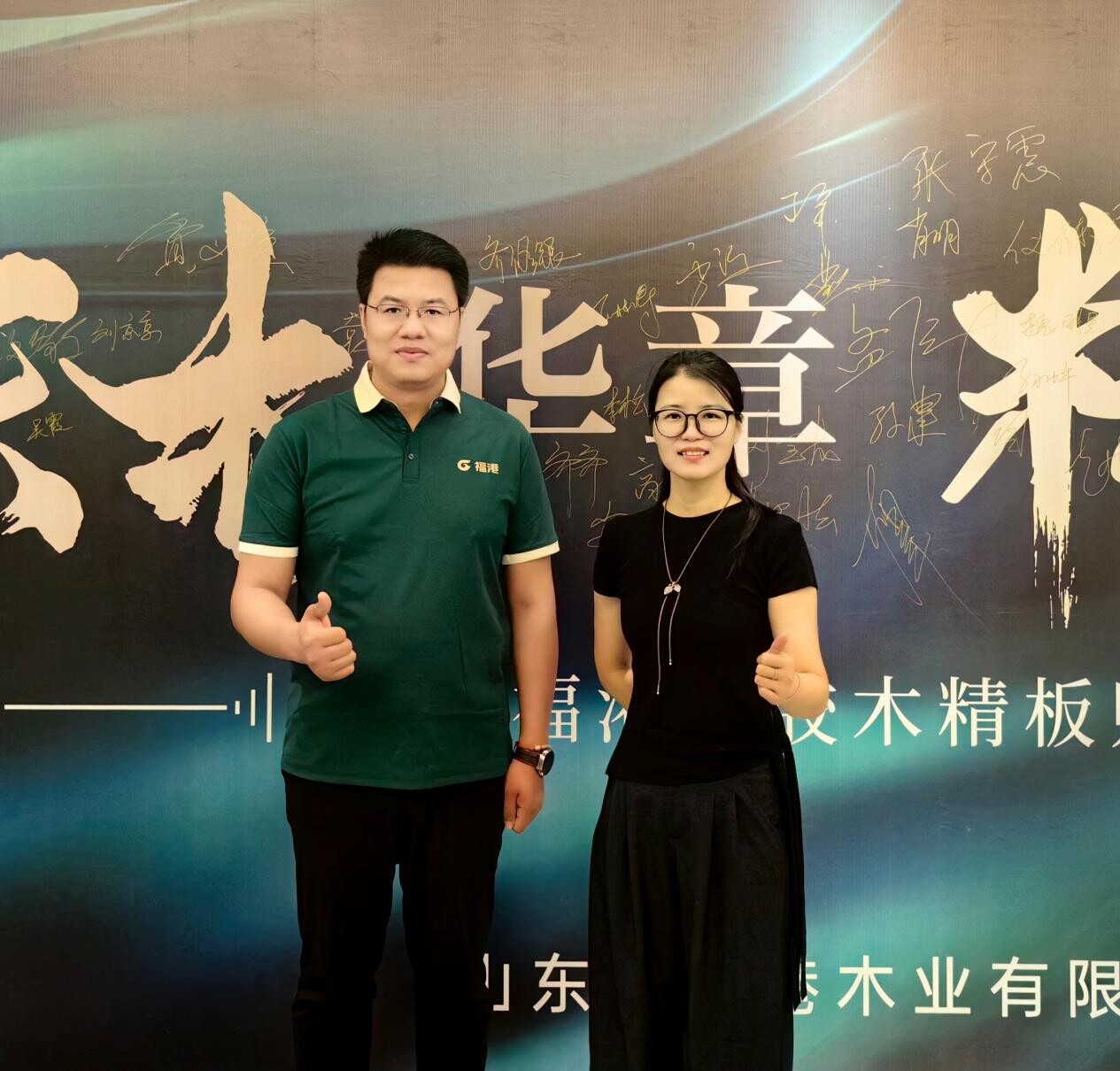
Reject passive supply and build differentiated advantages through imports.
In 2013, Meng Baoyin with Cedar wood Multilayer board , Fine Carpentry Eco-friendly Board As multi-category wholesale businesses entered the wood industry, operating across a wide range of product lines became the choice for most wood companies—seemingly, the more categories they pursued, the greater their opportunities appeared to be. However, through day-to-day operations, Meng Baoyin gradually identified two unavoidable challenges: First, China's domestic timber supply was overly passive—there weren’t dense forests in Shandong’s surrounding areas, forcing suppliers to source materials from distant regions like Northeast China, Guangxi, and Yunnan, which drove up costs significantly. Second, managing multiple product categories sapped too much energy, making it impossible for companies to develop their own specialized strengths or establish a stable, reliable supply chain; instead, they ended up merely reacting to market fluctuations rather than staying ahead of them.

Recognizing these issues, Meng Baoyin immediately decided to discontinue all product categories that weren’t made entirely of solid wood, focusing instead on rubberwood as the core material—and specifically, rubberwood imported from Thailand.
Speaking about the logic behind this decision, he explained: "First and foremost, it’s stability. Thailand and China have enjoyed a remarkably solid trade relationship over the years. Even during the pandemic, when logistics were severely restricted, or amid global uncertainties, our supply channel for timber imports from Thailand remained remarkably steady—something that gives us considerable peace of mind."
Besides supply-chain stability, cost advantages are also a key consideration. "Thailand itself boasts abundant forest resources, making the base price of rubberwood lower than that of certain domestic wood types. Moreover, China has consistently encouraged the import of timber, and there are policy benefits in transportation and customs clearance—so when you factor it all in, the import cost is hardly higher than sourcing wood from distant domestic regions. Yet, the stability of our supply far surpasses that of domestic procurement. This means we no longer have to worry about unexpected disruptions like production shortfalls in specific regions or logistical bottlenecks, giving us much greater control over our production schedules."
It was precisely this decisive "streamlining" decision that enabled Fugang to seize an early advantage in the rubberwood market, not only sidestepping the regional limitations and cost risks associated with domestic timber supplies but also establishing a distinct competitive edge through its stable import channels. This strategic move laid a solid foundation for Fugang’s future deep dive into the solid wood panel sector and its subsequent drive toward scalable growth.
Five years of intensive R&D efforts help rubberwood achieve a "transformational role."
Before this, solid wood panels without paint were a persistent challenge in the industry—due to immature technology, they remained costly and difficult to produce on a large scale. Meanwhile, rubberwood had always been limited to being a secondary material for furniture companies, with its true potential yet to be fully realized.
In fact, Fugang keenly recognized the market potential of rubberwood veneer panels without paint as early as 2014, and immediately began experimenting with related research and development. "We’ve always believed that rubberwood’s value extends far beyond being a mere auxiliary material," explained Meng Baoyin at the time. "If we can overcome the technical hurdles to produce these no-paint veneer panels, not only will we enhance the added value of our products, but we’ll also unlock entirely new market opportunities." Over the next five years, Fugang continuously invested in R&D resources, tirelessly refining and optimizing the processing techniques for rubberwood veneer and its decorative finishes. Finally, in 2019, the company successfully broke through the critical technological barriers, turning the vision of rubberwood no-paint panels into a fully producible, market-ready product.
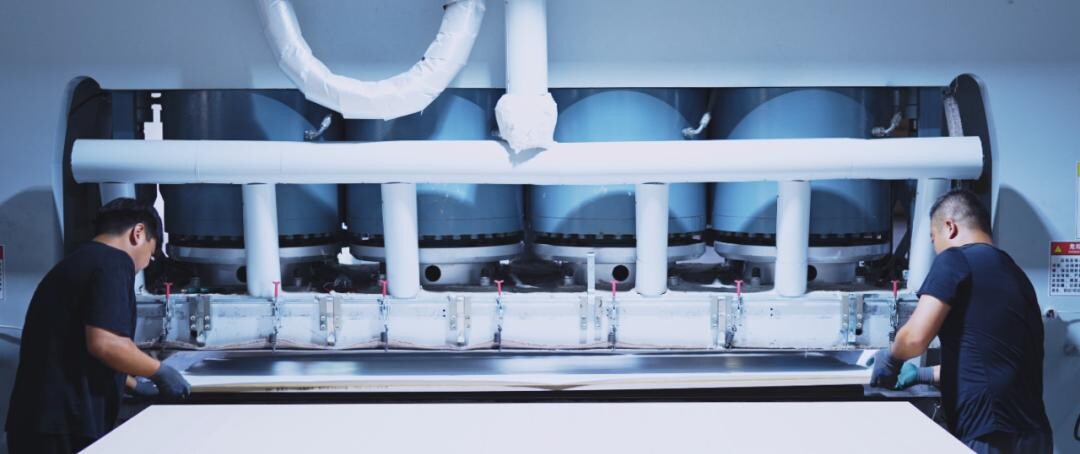
This year, Fugang introduced rubberwood veneer panels that not only meet stringent performance standards—such as being odorless, slip-resistant, wear-and-tear resistant, fireproof, and highly durable—but also deliver a significant cost reduction, dropping from over 400 yuan per sheet in the past to below 300 yuan. "This cost reduction has directly revitalized the market. Previously, supplying furniture companies with painted rubberwood panels cost between 800 and 1,000 yuan per sheet. Now, with the introduction of our no-paint panels, costs have plummeted by more than 50% overnight. Even more importantly, we’ve successfully broken down barriers between the traditional paint market and the no-paint segment. By enabling furniture manufacturers to process rubberwood originally intended for painting into high-quality, no-paint products, we’ve helped them cut production costs, allowed distributors to capture valuable profit margins, and ultimately empowered consumers to enjoy premium solid-wood items at far better value. As a result, the entire industry chain has come alive."
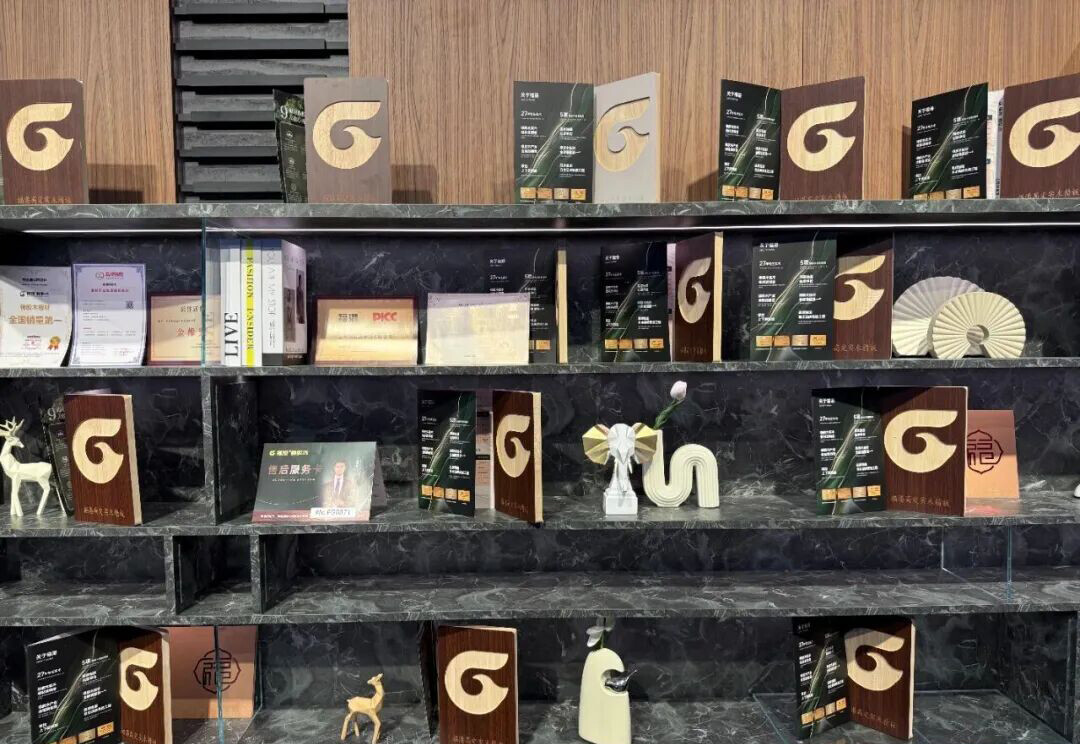
This technological breakthrough not only enabled Fugang’s rubberwood veneer panels to quickly capture market share but also single-handedly spurred an industry-wide upgrade in the solid-wood product category. The success of Fugang’s lacquer-free rubberwood boards has transformed the once-niche practice of using lacquer-free solid wood into a collective exploration path for the entire sector. Meanwhile, thanks to its deep understanding of rubberwood’s unique material properties and relentless refinement of production processes, Fugang has consistently maintained a competitive edge: Its rubberwood veneer panels not only meet the rigorous demands for density and stability required for long-term use, but also strike an ideal balance between quality and cost through scalable manufacturing—ultimately becoming synonymous with reliable, on-time delivery in the marketplace.
Farewell to the "behind-the-scenes" approach and embrace transformation—launching a new brand journey with a multi-million-dollar investment.
Since 2016, Fugang has consistently ranked first in the nation for rubberwood sales. However, prior to this year, the company had hardly engaged in any systematic brand promotion. As Meng Baoyin put it, "We're a manufacturing-oriented enterprise—used to focusing solely on our work and believing that as long as we produce high-quality products, that’s enough."
The catalyst for change came from the industry's intense internal competition. As China's timber market gradually entered a phase of oversupply, profits across the entire value chain—from manufacturing and processing to distributors and custom-fabrication factories—were sharply squeezed, leading to a gradual decline in market vitality. "If we continue to remain just a 'behind-the-scenes supplier,' we'll inevitably be phased out by the market sooner or later," Meng Baoyin realized. He understood that companies must shift from simply selling products to building strong brands, helping end-consumers associate "Fugang = High-Quality Rubberwood" so they can secure a solid foothold in the competitive landscape.
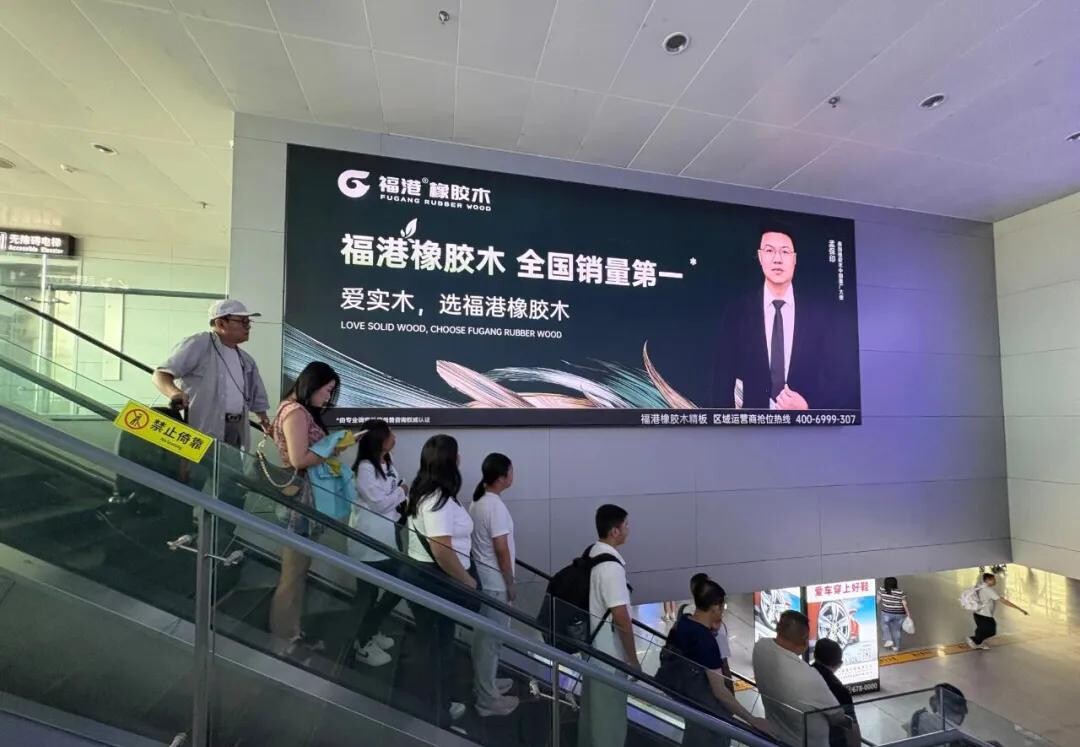
This July, Fugang officially launched its brand investment promotion initiative, outlining a clear investment plan for this strategic transformation: allocating 10 million to 20 million yuan annually to build a dedicated team focused on brand development and business attraction. This will be complemented by targeted advertising campaigns, participation in industry trade shows, and the organization of investor recruitment events—actions designed to showcase Fugang's strength and highlight the value of its rubberwood products to a wider audience.
Leveraging its years of established market presence and strong product reputation, Fugang has been advancing its investment attraction efforts at a rapid pace. In just two-and-a-half months, the results have already surpassed expectations: "A single recruitment event successfully secured dealership agreements across provinces and cities including Shaanxi, Shanxi, Henan, Tianjin, and Hebei—particularly in Shandong, where we’ve cultivated deep-rooted connections over many years. Local consumers are already familiar with Fugang, and dealerships are eager not to miss out on the early-mover advantage, resulting in exceptionally high enthusiasm for collaboration."
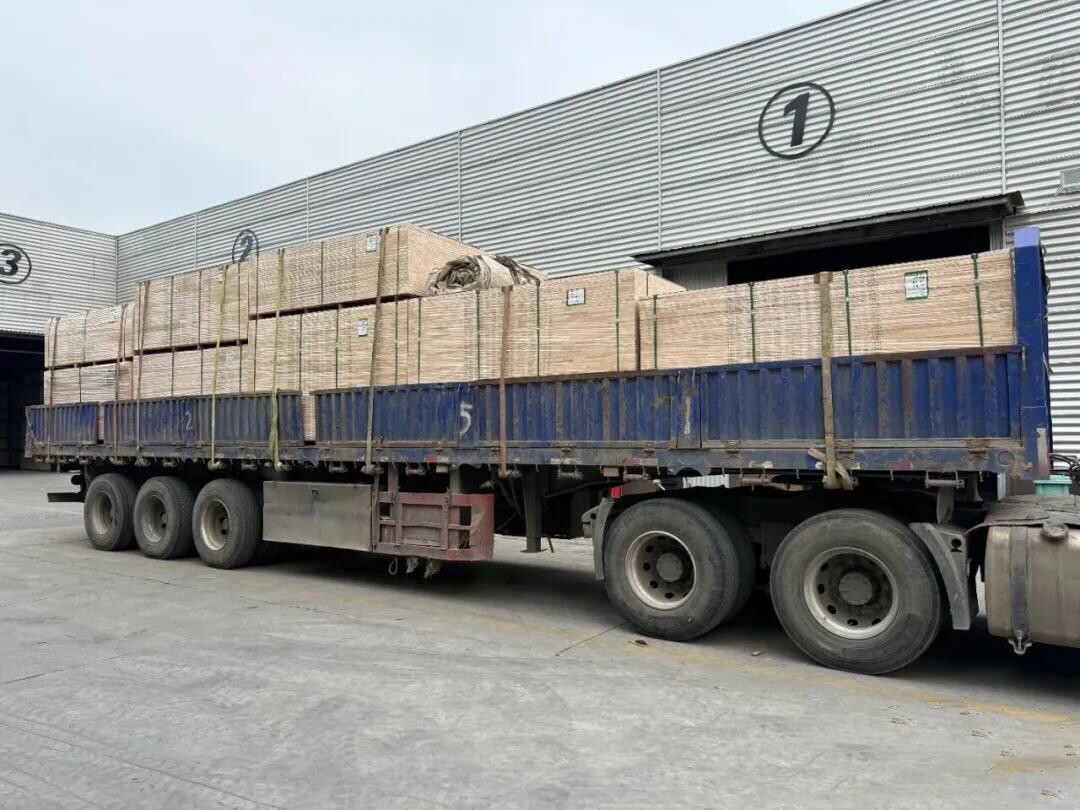
Fuhua Port's brand-oriented strategy extends far beyond the investment attraction phase. In terms of market expansion and production support, Fuhua Port plans to establish a Southern Investment Promotion Center in Hangzhou, leveraging the region's abundant high-quality brands and marketing talent to further enhance the efficiency of expanding into southern markets. Meanwhile, on the production side, the company will simultaneously advance its capacity planning by building dedicated factories in Jiujiang, Jiangxi Province, and Deyang, Sichuan Province. The Jiujiang factory will capitalize on existing local partnerships and supplier advantages, focusing primarily on serving customers in South China and Central China, while the Deyang plant will concentrate on the western market, handling both production and supply responsibilities within that region. Combined with the company's existing Northern Production Base in Linyi, these three major facilities will create synergistic effects, ultimately enabling Fuhua Port to effectively meet the demands of consumers across more than half of China.
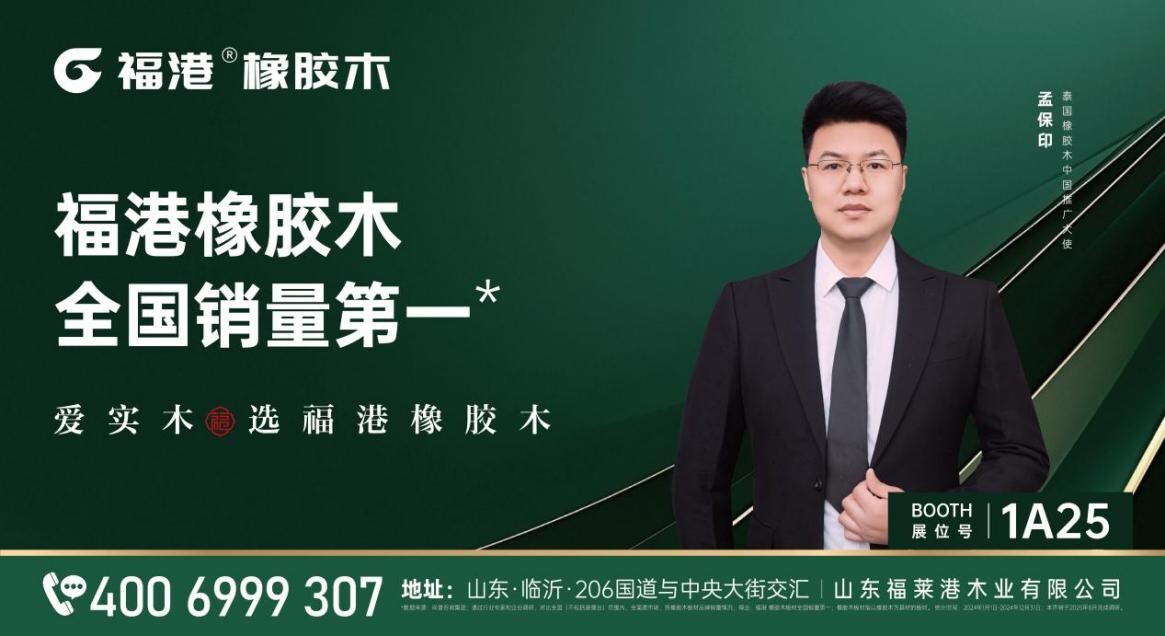
Deeply钻研 rubberwood has always been the consistent guiding thread throughout Fugang's journey of development. From uncovering the material's unique properties and overcoming production challenges to driving product category upgrades, every step Fugang takes forward is firmly centered around rubberwood as its core focus. This approach vividly demonstrates that true dedication doesn’t mean staying stagnant or limiting oneself—it means continuously deepening expertise and relentlessly pushing boundaries within the chosen path. Now, as this company, accustomed to working quietly behind the scenes, begins to ramp up its brand-building efforts, Fugang’s brand-new chapter is just beginning!
Contact Us
7th Floor, Taihe Huayu, Zhengyang Road, Shouguang City, Shandong Province
Daotian Town Government, Shouguang City, Shandong Province

LEAVE A MESSAGE
Online consultation